193: From Fired to 6-Figure Side Hustle: Building Businesses That Give a Damn
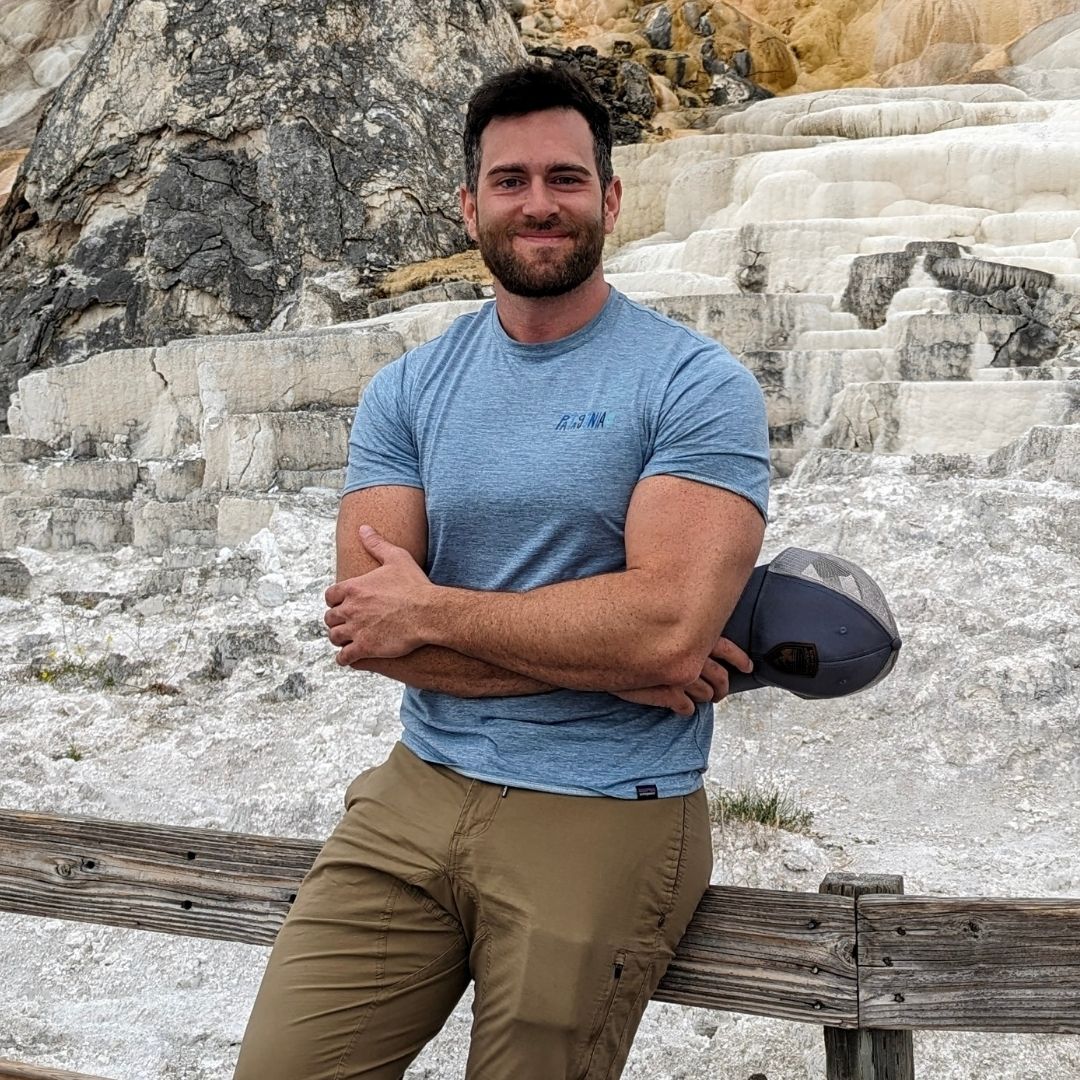
He got fired at 27, and somewhere between the pink slip, the margaritas, and a movie he'd watched, an idea was born. Today Colin runs a six-figure side hustle and his story is proof that persistence, authenticity, and genuinely caring about your customer pays off.

 Apple Podcasts
 Spotify
 RSS Feed
 Amazon Music
 What does it take to go from getting fired at 27 to building a 6-figure side hustle? If you ask Colin Macintosh, the answer might surprise you. It's not the flashiest strategy or the biggest budget. It's something a lot of businesses have stopped doing altogether, genuinely caring about the people they serve.
Colin is a CTO recruiter by day and side hustle entrepreneur by night. He got fired at 27, and somewhere between the pink slip, the margaritas, and a movie he'd watched, an idea was born. That idea became Sheets and Giggles, a eucalyptus bedsheets brand he built, scaled, and exited. But this episode is really about what came next.
Dirt Cheap Compost is exactly the kind of side hustle I love most; simple, low cost, profitable, and scalable. No complicated tech stack, no outside funding. Just a real problem, a real market, and a flyer tucked inside a Halloween pumpkin.
Sheets Resume is a different kind of story. An AI-powered resume builder doing thirty thousand resumes a month that sounds like an overnight success, until you find out about the years old Reddit post driving all that traffic.
In this conversation Colin and I cover:
- The lessons from Sheets and Giggles that shaped everything that came after
- Why raising venture capital was a treadmill he'll never step on again
- How a $40K compost business was built with flyers and a seasonal pumpkin campaign
- How a Reddit post written in 2018 became the foundation of a 6-figure side hustle
- The customer experience rule that turns buyers into your most powerful sales people
Colin genuinely gives a damn; about his customers, about the problems he's solving, and about the people he builds with. And as you'll hear today, that's not just good character ... it's good business.
Do you like what you're hearing? Consider giving it a caffeinated thumbs up. We'd really appreciate it!
Need a little (and sometimes big) push to start and stay focused to grow your side hustle? Dive into my online Masterclass: How To Turn Your Thoughts Into Wanted Things.
----
Building A Six-Figure Side Hustle That Actually Gives a Damn
Colin Macintosh is a CTO recruiter by day and side hustle entrepreneur by night. His journey started the way a lot of great stories do, with a pink slip, a baseball game, and a few too many margaritas. Fired at 27, Colin turned a movie-inspired idea into Sheets and Giggles, a eucalyptus bedsheets brand that scaled to a million dollar month, hired a team of 15, and recently exited under new ownership. But this post is about what Colin did next, and the through line that connects everything he builds.
Lesson One: Customer Experience Is Your Competitive Advantage
From day one at Sheets and Giggles, Colin had one hard rule. No automated email replies. No "thanks for reaching out, have you checked our FAQs?" nonsense. Real responses, from real people, within two hours. When something went wrong with a product, they replaced it. The result? Customers who became evangelists. People who slept in those sheets every night and told their friends.
That same philosophy carried into every venture that followed. To this day, Colin personally answers every customer email for Sheets Resume. A six-figure side hustle, and he's still in the inbox.
Lesson Two: Your Brand Has to Be You
One of the most valuable things Colin took away from building Sheets and Giggles was a deep understanding of brand identity. He is a firm believer that a founder's brand should reflect the founder's personality, full stop.
Colin identifies as a jester. Humour is his natural language, and so every business he builds has to lead with that. Sheets and Giggles wasn't just a name, it was a declaration of who he is. The marketing was funny. The emails were funny. The Mother's Day campaigns were, let's just say, memorable. And customers loved it because it felt real, because it was real.
His advice to any founder is to do the work of figuring out who you are before you decide what your brand is going to say. Because if your brand doesn't sound like you, you're going to struggle with your motivation.
Lesson Three: Simple Side Hustles Are Underrated
Dirt Cheap Compost is a fabulous example of a side hustle done right. Colin and his wife Madison spotted a gap in the market when their own compost provider kept raising prices without doing any marketing to grow their customer base. They incorporated, set up a website, wrote a blog post, and mostly just went on with their lives. A few months later their first customer showed up, and then another, and then seven more. Within a couple of years they had over a hundred customers and a business generating around $40,000 a year.
No app. No venture capital. No complicated tech stack. Just flyers tucked inside Halloween pumpkins, a genuine passion for the environment, and the marketing skills Colin had sharpened at Sheets and Giggles. When they relocated from Colorado in early 2025 they sold the business to Compost Colorado, negotiating a one year price freeze for their customers in the process. Because of course they did.
Lesson Four: Play the Long Game
Sheets Resume looks like an overnight success; thirty thousand resumes a month, impressive search rankings, a six-figure side hustle built on the side of a demanding full time job. Impressive, right?
Until you hear about the Reddit post.
Back in 2018 Colin wrote what became one of the most popular pieces of resume advice on the platform. He maintained it for years, answered thousands of questions in the comments, and slowly built a reputation as the person to go to for resume help. When his friend and former recruiting colleague Nate suggested building an AI wrapper around their advice, the traffic was already there waiting. The overnight success had a seven year backstory.
The Thread Running Through All of It
Whether he was selling bedsheets, picking up compost buckets, or helping people land jobs, Colin has operated the same way. He genuinely gives a damn. About the people he serves, about the problems he is solving, and about the partners he builds with.
In an era where AI is making it easier than ever to automate customer interactions, Colin's approach feels almost radical. And yet the results speak for themselves.
If you are building a side hustle right now, or thinking about starting one, remember this ... sometimes the most powerful business strategy is also the simplest one.
Care more to earn more.
----
Connect with Colin:
Connect with Joan:
Be on the show!
Tell us about your side hustle success story!
Colin McIntosh (0:01): We used to give people free replacements if they had any issues with their sheets, if they ripped them or if they spilled something on them or their dog tore them up or their cat. We would say, hey. No sweat. Here's a free replacement. And people would just send us these long, multi paragraph emails saying, I've never been treated this way by a company before.
Colin McIntosh (0:23): I am totally blown away. And then it leads to a review, and then it leads to 10 other sales. And so I was a big believer in treating people the way that I wanted to be treated by other companies, and I and I still do that.
Joan Posivy (0:36): That's Colin McIntosh, CTO recruiter by day and side hustle entrepreneur by night. Colin got fired at age 27. And somewhere between the pink slip, the margaritas, and a movie that he'd watched, he got an idea. The idea? A eucalyptus bedsheets brand that he built, scaled, and exited late last year called Sheets and Giggles.
Joan Posivy (0:59): But we're not here just to talk about that. I also wanted him to tell us about dirt cheap compost because it's exactly the kind of side hustle that I love the most. Simple, low cost, profitable, and scalable. We also dive into his latest side hustle, Sheets Resume, an AI powered resume builder that he tells us is producing 30,000 resumes a month. At first, when you hear about it, it sounds like an overnight success Until we find out about how a years old Reddit post turned out to be driving a lot of the traffic.
Joan Posivy (1:31): And when it came time to build on that, Colin took the game changing lessons that he'd learned from Sheets and Giggles, which you'll learn today, and applied them all. The thread running through all of this, Colin genuinely gives a damn about his customers, about the problems he's solving, and about the people he builds with. And as you'll hear, that's not just good character. It's good business. I'm Joan Posseby, and this is side hustle hero.
Unknown Speaker (1:59): Well, welcome, Colin.
Unknown Speaker (2:01): Yeah. Thanks for having me. I'm glad we could finally connect.
Joan Posivy (2:04): You have so many side hustle related accolades to your name. Honestly, it was a challenge for me to decide even where to begin this conversation. But before we drill down on two of your side hustles, I wanna start with a company that you built that must have taught you a lot of lessons that guided the success of those side hustles. The company I'm referring to, Sheets and Giggles. Led to your claim to fame of doing a belly flop onto a bed on Good Morning America.
Joan Posivy (2:34): How did you end up on that stage, Colin?
Colin McIntosh (2:36): Yeah. It's so that's a main hustle. That's definitely a main hustle. That I started that company in 2017. I got fired from my last startup job.
Colin McIntosh (2:44): I was 27 years old. And so we all got laid off at 1PM on a Monday. And I was out, and I was talking to my coworkers, and I said, I'm gonna start a bedsheets business called Sheets and Giggles. And they all thought I was drunk, which I was. We were at a a baseball game after I got we got laid off.
Colin McIntosh (2:59): What else do you do after you get laid off at 1PM on a Mondays? You know, you go out and you drink drink margaritas with your coworkers. So three three weeks later, I incorporated Sheets and Giggles. I did a crowdfunding campaign in May 2018. We raised almost $300,000 in preorders, and then I shipped our first box October 2018, and then our first million dollar month was November 2020.
Colin McIntosh (3:27): So it was a very meteoric two year rocket ship. And then navigating COVID, with supply chain crisis, all these different things. It was really incredible. I hired a team of 15 people, raised about 5 or $6,000,000 of venture capital, and I ended up exiting that business late last year. So I'm officially no longer part of Sheets and Giggles.
Colin McIntosh (3:49): The company is still operating under new ownership. And it has allowed my, ADHD to completely take over and have a a bunch of fun side hustles now on top of my main full time work.
Joan Posivy (4:01): Okay. And in a sentence or two, what was the company or is the company? Sheets and Giggles.
Colin McIntosh (4:07): Yeah. It's probably a good place to start. It's like people are like a million dollars a month of what? Yeah. So I always take it for granted, but at Sheets and Giggles, we sold bedsheets.
Colin McIntosh (4:15): Pretty easy elevator pitch. They were made out of eucalyptus trees. So we had mattresses, pillows, sheets, all made out of sustainable materials. I was very passionate about that company. I I worked for most of my late twenties and early thirties on it.
Colin McIntosh (4:31): It was it was my baby and still is.
Unknown Speaker (4:33): I
Colin McIntosh (4:33): I learned a lot of lessons, like you said.
Joan Posivy (4:36): So what were the the main lessons that you brought to your side hustles from that experience? Maybe the top three.
Colin McIntosh (4:42): I think the marketing piece, absolutely. And specifically on the market so there there I'll break down the marketing into two things. It's the tactical piece of how to get people to a website, right, and how to convert them. And then there's the brand building piece. And so maybe those are two separate things.
Colin McIntosh (5:01): There's, like, a marketing piece of, like, how to drive traffic, how to drive interest. But then there's the brand building piece that is, like, how to build a authentic brand that is very you that people resonate with and that wanna be a part of. And then I think the third thing is probably just the customer experience and how important it is to have a really, really strong user experience, what that looks like, and treating the customer the way that we wanna be treated by other companies. So those are probably the the three big things. And then, honestly, is the side hustle podcast.
Colin McIntosh (5:37): So I will say that a a honorable mention of a thing that I learned is I probably never want to raise money again for a business. I probably will always want to bootstrap and do revenue funded businesses, and that's not anything against my investors. I actually loved all my investors as people. Several of them are still my very good friends. But I just sounded exhausting.
Colin McIntosh (6:05): I didn't realize this when I was 27 that you're getting on this treadmill of venture capital, of exit, of ROI, and you stop working for yourself the moment that you raise money, and you are again working for other people. And most entrepreneurs get into the the business of entrepreneurship because they're tired of working for other people. So raising money is a good way to trap yourself in that same cycle.
Joan Posivy (6:29): Ah, and so you feel that you've got a lot less freedom and a lot more time is spent dealing with the investors?
Colin McIntosh (6:35): And my investors were pretty passive overall, but it's more of, like, the expectation and the what you're actually working towards is not yours anymore. It's it's ours. So you're still part of the you're part owner. You're part of the outcome, but it's just no you know, you have to write, yeah, the updates and the quarterly updates and the here's what we're doing and the scrutiny and the catch up calls. So, yeah, there is a lot of time and that sort of thing, but it's it's more, I think, the feeling.
Unknown Speaker (7:04): Okay.
Joan Posivy (7:05): You mentioned three of those lessons. The the last one you mentioned was the customer experience, and I'm finding more and more that is really diminishing in a lot of companies because of AI.
Unknown Speaker (7:16): How do you find that as diminishing? I'm curious.
Joan Posivy (7:19): The interaction with a customer. You could tell it's very automated now. It's to me, it's losing that personal touch. And sometimes I'll even say, is this a bot I'm talking to, or is this a real person?
Colin McIntosh (7:30): Even back in 2017 when I started Sheets and Gables, one of the hard rules I had is when somebody emails customer care, we're not going to email them back that stupid automated reply of, thanks for your email. Have you checked our FAQs? Right. Every time I get that from a company, and they're like, have you checked our FAQs? I always think to myself, oh, no.
Unknown Speaker (7:51): I haven't. I'm a fucking idiot. Thank you. Wow. I didn't think about go on your website, right, and see if I could solve my own problem.
Colin McIntosh (7:57): Like, it's so infantilizing, and it's so it's just insulting to be like, hey. You've taken the time to reach out to a company, to find the email, to write to us, to put your thoughts on paper. And now I'm gonna be like, we'll get back to you within seventy two hours. In the meantime, try to solve your own fucking problem. Like, the so I always said, like, we will re reply ASAP within twelve hours is the maximum, and it's a lot sooner.
Colin McIntosh (8:27): I think our average time to response is, like, under two hours. And we will answer you in plain English from a human being. And if you bring up something that we did wrong, we are going to say, you're right. Thank you for pointing that out. Now we're gonna go fix it.
Colin McIntosh (8:45): Here's a $10 gift card for Amazon or for our website or whatever. We're thanking you for pointing that out for us. Nice. And we and so the customer experience to me was so personal, and we ended up because of that, our first, like, 10,000 customers were, like, the biggest brand advocates, and they would go out and just tell people about Sheets and Giggles, and you have to try these sheets. And the best part about that category was they're using your product every day.
Colin McIntosh (9:14): There are very few products, your phone, your laptop, maybe your coffee, like, that you're gonna even your even your clothes, you don't wear the same clothes every day. Right. You shouldn't. And so, there's very few things, like core, bedsheets, coffee. And so that's why people become such incredibly strong brand advocates is they're sleeping in it every night.
Colin McIntosh (9:33): They wake up in the morning. They're thinking about it. They they see a social media post from us, and then they're they talking to somebody that day, and somebody's like, you know, I couldn't sleep last night. And they're like, oh my gosh. You have to try.
Colin McIntosh (9:44): So that customer experience, yeah, right now, it's been we even at Sheets resume, I answer every single customer email that we get myself, and I respond usually within a couple hours even though they've been working.
Joan Posivy (9:58): Because that's that's a side hustle, and and we will get to that. But I could see that that that growth then in part being driven because of that customer care that you were really giving. And if something went wrong with the product, it sounded like you were jumping on it right away, and now this this person becomes an even bigger fan.
Colin McIntosh (10:16): We we used to give people free replacements if they had any issues with their sheets, if they they ripped them or if they spilled something on them or their dog tore them up or their cat. We we would say, hey. No sweat. Here's a here's a free replacement. And people would just send us these long multi paragraph emails saying, I've never been treated this way by a company before.
Colin McIntosh (10:39): I am totally blown away. And then it leads to a review, and then it leads to 10 other sales. And so I was a big believer in treating people the way that I wanted to be treated by other companies, and I and I still do that.
Joan Posivy (10:52): Yeah. And that probably came out in your second point that you made, and that was the importance of branding. And I suppose authenticity, and I think you even mentioned, like, finding one's voice. What's one tip or idea or lesson you you learned on the branding piece from Sheets and Giggles?
Colin McIntosh (11:09): The the number one thing is that founders the brand should be the founder's style. So there's 12 major brand archetypes. There's hero, magician, sage, outlaw, jester, lover, explorer, inventor. I'll see if I can name all of them. Every man
Unknown Speaker (11:26): It sounds like a Tony Robbins seminar. Yeah.
Unknown Speaker (11:28): Yeah. Sorry. Yeah. No. I yeah.
Colin McIntosh (11:30): Yeah. I so, basically, I I tell people, and I do brand identity maps. I actually own brandidentitymap.com.
Unknown Speaker (11:39): Of course, you do, Colin.
Colin McIntosh (11:40): That would that will be my next side hustle is I'm gonna be helping people automate the process of doing a brand identity map. I find that most business owners don't do it, but it's the most important exercise. Takes a couple hours, and the brand identity map will help you decide what your brand archetype is, what your core value props are, your features, your benefits, your your limbic thought buttons, your emotional appeal, your reptilian thought buttons, your positioning statement. And the number one thing I've learned is that I'm a jester. That's what I am.
Colin McIntosh (12:10): I know that about myself. I know who I am. And so the brands that I start, they must be funny first.
Unknown Speaker (12:17): And hence the name Sheets and Giggles.
Colin McIntosh (12:20): Yeah. I I am who I am. I it hit me like a punch in the face. I remember I was I was watching a movie one night with Miles Teller and Jonah Hill. It's called the War Dogs.
Colin McIntosh (12:29): And I was watching it back in, like, June 2017, and the guy, one of the main characters, Miles Teller, he sell he's selling these sheets out of back of his pickup. And he ends up having to burn all the inventory because nobody buys them. And I thought to myself, this is a ridiculous seat. He bought all this inventory. He didn't do any pricing theory.
Colin McIntosh (12:47): He doesn't understand his customer. No go to market strategy. I turned to my ex girlfriend, I was like, pause the movie. I wrote a bet a business plan for a bedsheets company that night, and I thought, what's a good name for this company? And Sheets and Giggles just right away.
Colin McIntosh (13:01): And bought the domain, got the social handles, and then incorporated it, I think, four or five months later.
Joan Posivy (13:07): Fantastic. I'd like to, pardon the pun, dig into dirt cheap, your composting side hustle.
Unknown Speaker (13:13): What opportunity I love it.
Joan Posivy (13:15): What opportunity did you see in the market that led you to think that that could be a success?
Colin McIntosh (13:20): So funny. Digging. I I like that you're doing you're you're picking up what I'm putting down. I like it. So the the dirt cheap compost, my wife and I, we were actually customers of another compost company in Colorado, and we're big we're big eco friendly people.
Colin McIntosh (13:35): My wife actually had an eco friendly homes podcast that she interviewed me on, which is how we started dating. No no joke.
Unknown Speaker (13:42): To be no.
Colin McIntosh (13:43): Not not to be not to be weird. Not to be weird. But but, basically, we were at we were at a barbecue in Denver. She asked for my numb she found out what I did, but she didn't get goals. And then she was like, do you wanna be on my podcast?
Colin McIntosh (13:54): And I I said, yeah. Sure. And she got my number. And then she said before the podcast, do you wanna go out for a prepodcast drink? And that was when I was like, alright.
Unknown Speaker (14:02): I don't know if this
Unknown Speaker (14:03): is They're
Unknown Speaker (14:03): right. Yeah. Yeah. I just see what you're doing.
Unknown Speaker (14:06): Sure. You got a podcast. Yeah.
Unknown Speaker (14:07): Yeah. Exactly. Yeah. No. And and then we it was really nice.
Colin McIntosh (14:10): It was really it was 2020, and we got married in 2024. And, anyway, when we were living in Colorado, I think, in 2022, we kept getting our price raised by our compost provider. At And one point, I think it got to, like, over $40 a month. And I was like, we're paying $500 a year for somebody to come to our door and pick up our food waste, and and and they haven't done any marketing in our townhouse community. There's 50 other homes here that they haven't they haven't dropped a single flyer.
Colin McIntosh (14:41): They haven't emailed me a referral or affiliate link to sign up by neighbors. They haven't put me to work as a brand advocate. They just raised our price. And because they're like, oh, we have one home in this area, and it's very expensive. It's like, no, dude.
Colin McIntosh (14:55): Go get more homes in this area and bring down your per stop cost. Anyway
Joan Posivy (15:01): Those are all lessons that you just laid out, Colin. You think of these things like it's it's nothing. Who else would not think of that?
Colin McIntosh (15:07): Who wouldn't think I would have of that? So my my wife, she had a little bit of free time. She was not working full time at the time. And I think in early twenty twenty three, we incorporated Zero Cheap Compost. We didn't really do anything, but we set up the website.
Colin McIntosh (15:23): We wrote a blog post. And then I'll never forget, was, like, July 2023. I was just, like, going through my email, and I was like, oh, shit. We got a customer. And so we started driving out once a week to to be dropped off the bin, and we would pick up the food waste, and we would compost it.
Colin McIntosh (15:43): And then it was two then it was two people, then it was seven people. And then we grew it to, like, over a 100 people very quickly. And that that's when we started really, like, leaning into it. We would drop off flyers at coffee shops and stuff. And it was it was my wife's business much more than mine, and it was, like, her very fun project.
Colin McIntosh (16:03): But I would help her with some of the marketing stuff and the website and the then the customer care stuff. And then we ended up selling that business. We left Colorado early twenty twenty five, and we ended up merging with Compost Colorado, and all of our customers became part of Compost Colorado. And I really love the team there, really love Van, the founder of Compost Colorado. And we were leaving town.
Colin McIntosh (16:26): We had a hundred hundred plus customers that we were we didn't wanna leave hanging, and Campos Colorado was was very happy to have the new business. So it was great.
Joan Posivy (16:34): Nice. How did that deal come together to eventually sell?
Colin McIntosh (16:36): We were on a panel with with Van at the CSU, I think, climate change conference back in mid twenty twenty four. And or and yeah. And I think Van was like he's a good guy, but I think he was a little annoyed with us because we were we were the low we were we were dirt cheap compost. We were he was 40 plus bucks a month, and we were in the twenties. He came up to us after he was on a panel with my wife, Matt Madison, and Dan were on a panel together.
Unknown Speaker (17:04): And he was the CEO of that company that bought you up?
Unknown Speaker (17:07): He was CEO of Compost Colorado. Yeah. And he and he came up to us afterwards, and he was like, hey, guys. Have you thought about raising your prices? Because we're we're losing a lot.
Colin McIntosh (17:17): A lot of people are are are emailing us that the there's this lower priced option in the area. And I know you guys are is a fun project for you, but this is like a a serious business for me and and my team. And and and I the way how competitive I am, I I was like I was like, yeah. Like, we're able to do it, and we're profitable, and we enjoy doing it. We work with local farmers.
Colin McIntosh (17:37): Let's stay in touch, and maybe if you ever wanna buy the company, you can raise our price if you want. And and I and in fact, it's funny. When I when I when we sold the business, we did negotiate that he would not raise the price on our customers for at least one year. And so we had a nice little one year grandfather period there with them.
Joan Posivy (17:54): Nice. Very nice.
Colin McIntosh (17:56): Yeah. And he became a good friend. We we I think that he respected the business I'd built with Sheets and Giggles, and and I respect that he knew me from other places in Colorado, and he knew Madison as well. I think he actually was a guest on Madison's podcast at one point. So Colorado is kind of a small entrepreneur community.
Colin McIntosh (18:12): So we we were all aware of each other and friendly competition.
Joan Posivy (18:16): You mentioned the the farmers. So where did you drop off the compost?
Colin McIntosh (18:19): There were two farmers that we worked with in Lakewood, Colorado. We were dropping it off at an industrial composter briefly early on, but then we moved to small farms, and it was awesome. It was such a cool circular thing that we were doing to I think by my calculations, we diverted over a 100,000 pounds of food waste from landfills. But we would bring it to these local farms, and they would turn it into fertilizer, and that would turn into food, and they'd sell that back into the community at farmer's markets. And it was just, like, so cool how not to get metaphysical, but the way the creation folds in on itself Mhmm.
Colin McIntosh (18:56): Is so cool to where you can pick up these buckets of food waste elsewhere, put it back into the soil, have new food emerge, and then new plants. And, like, it's just creation eating itself continuously. I thought it was so cool.
Joan Posivy (19:11): Yeah. And being able to contribute to that cycle.
Colin McIntosh (19:14): Yeah. It's amazing. Yeah. So we had a lot of fun with that, and then that was, I guess, side hustle number number one.
Joan Posivy (19:19): One of the biggest challenges there would have been educating the customer on what they can and can't put in there.
Colin McIntosh (19:26): Yep. One of the things that I think I did really well that other compost companies weren't doing was having engaging formatted modern emails. Right? And then taking that experience from Sheets and Giggles and basically being like, okay. I know what people will read and what they won't.
Colin McIntosh (19:45): I know the length of the email, the subject line, like, da da. Whereas every other composter is, god god bless them, they're just people who love the earth, and that's what they what they wanna do. And that's what they and so their emails would be, like, novels. Right? And just and and their subject lines were completely I could delete it without a second thought.
Colin McIntosh (20:06): And so we did a really good job of just automating the education where we had these flows set up that when you sign up to be a customer, the day you get your bucket, the the first week of pickup, two weeks into your into your service, and just basically these checkpoints with people, and it was it was pretty simple, honestly. Like, it was I like the business for the simplicity.
Joan Posivy (20:27): Yes. I I love side hustles like that too. And so the subject line, something catchy, the body of the email, and the the the headings, again, straight to the point and brief.
Colin McIntosh (20:38): And that and that was a small business. I think we grew it to about $40,000 a year. It wasn't it wasn't major. It was just a small side hustle, and that was within, like, a year or two. And I think I would have liked to have kept growing that if I had stayed in Colorado.
Colin McIntosh (20:50): But once we were moving, it was, yeah, just time to part ways.
Joan Posivy (20:53): Yeah. Did you do anything unique or off the beaten path to get known?
Colin McIntosh (20:57): Yeah. We we would drop we had this is Madison's idea, actually. We had these compostable flyers that had seeds in them that you could plant and flower wildflowers would grow, and he we would drop these flyers off. My favorite time to do this was Halloween and Thanksgiving because there's so much that what we would do with the pumpkins is we had these flyers that had this big pumpkin face on them.
Unknown Speaker (21:20): Okay.
Colin McIntosh (21:20): And it was and it was like what did it say? It said something like bring me back or reincarnate me or something like that or save save my soul or whatever. And it was basically like saying, don't shove your pumpkin into the dumpster. Sign up for a composting service, and we will pick up your pumpkin your first week of your service. And we got a lot of great use code Halloween for one month free.
Colin McIntosh (21:45): And and so people were getting the pumpkin removed. They're getting the free month. It it was those were very successful flyers. And we just tuck them right into the the jack o'-lanterns are great. They had a little top.
Colin McIntosh (21:54): You just take the top off, tuck the flyer in, you put the top back on. And, yeah, that was great. And then and then we do stuff do stuff at cafes and flyers and that sort of thing. And Thanksgiving, Christmas, New Year's, those are all big activations for us. Right.
Unknown Speaker (22:09): So, yeah, a lot of food waste. A lot of food waste. Mhmm. Yeah.
Joan Posivy (22:12): Having fun campaigns like that just bring so much energy to an organization. One of my side hustles long time ago was in the flower business. And Okay. In the flower industry, Mother's Day is number one.
Colin McIntosh (22:25): No. Yeah. Probably this whole year.
Joan Posivy (22:26): And I'm I'm dating myself here, but this was the time of of the local newspaper. And so I had an ad with a telephone. It was something very simple like your mother called and wants you to call her back, and that was it.
Unknown Speaker (22:38): Love it.
Joan Posivy (22:39): And so it it was a lot of curiosity. So people would call, and, of course, there was a voice message from us. There was a storyline that led to she wants you to pick up flowers for her kind of thing.
Colin McIntosh (22:48): That's awesome. I love that. It's super clever marketing. We we we took a different route of Sheets and Giggles for Mother's Day because Mother's Day was also, I think, our second biggest holiday next to Christmas, buying bed bedding, nice bedding for your mom. And cool sheets for hot moms was our I love very, very successful marketing campaign, and we had so much fun with that.
Colin McIntosh (23:14): We did it every year, and we would we would do YouTube videos, and we would the emails got 60% open rates, and, you know, like, it was it was great. So those are those are fun fun days. The copywriting at at S and P, I used to write I I used to write only copy myself early on in the for two two, three years. And then I hired a guy named Chris who was he could where he was writing with a scalpel, man. This guy was so good.
Colin McIntosh (23:40): Wow. But I I remember the first Mother's Day email I ever wrote was, like, 2018, and I was like I was like, as the as the spring turns to summer and the nights get hotter and the bedroom gets steamier, I want you your thoughts should be filled with how hot your mom is. And I I people were like, what the fuck?
Unknown Speaker (23:59): And I
Colin McIntosh (24:00): was like and was like, because she's probably in her fantasies or sixties and going through menopause, and it's a very serious and difficult time in her life. And you could get her cooling eucalyptus sheets to show her that you're thinking about Right. Her and what she's going through. And people were like, oh. Oh.
Unknown Speaker (24:15): Oh. It was like, Mary goes yeah.
Unknown Speaker (24:16): I get it. Right.
Unknown Speaker (24:17): Yeah. Yeah. Yeah. It was a great it was a great juxtaposition. It was it was super yeah.
Colin McIntosh (24:22): It was it was very comical. So I loved I loved doing those campaigns and being a little weird, being a little out there. It was always it was always a lot of fun.
Joan Posivy (24:30): Now there's a tip that our side hustle audience wasn't thinking they would be getting today. Mother's Day gift idea. There you go.
Unknown Speaker (24:36): Yeah. Yeah. Absolutely. People people love buying gifts for moms.
Joan Posivy (24:40): Well, you sold dirt cheap, and you just had to create another side hustle. Tell us about your AI resume builder, Sheets resume.
Colin McIntosh (24:47): So I used to be a recruiter back in my career. And funny enough, now after Sheets and Giggles, my full time job is back in recruiting. K. And I'm doing executive recruiting this time. So I'm hiring mostly chief technology officers and a bunch of other high level VP of engineering, head of engineering folks.
Colin McIntosh (25:05): So my full time job now is recruiting, which is funny. And I did cut my teeth as a recruiter twelve, thirteen years ago. I hired myself at one of my startup clients, and that kinda began my startup journey. K. Yeah.
Colin McIntosh (25:17): So a great way to leave a recruiting job is hiring yourself into a open role. And I just love helping people find jobs and careers. It is the most meaningful, gratifying thing. And Pete's resume is a poorly named my my my partners keep asking me to change it. It means nothing to anyone except for me, but it's it's nostalgic for me.
Colin McIntosh (25:40): And it basically is now the number one or number two AI resume builder on Google. If you search for AI resume builder, you'll find us and maybe Canva, maybe resume.com, And it's just awesome. I I think for AI cover letter generator, we are literally we're behind Grammarly, but we're number two outranking ChatGPT. It's been really gratifying. My resume template has been used by, like, seven or 8,000,000 people at this point, and it's a free it's totally free resume template.
Colin McIntosh (26:10): The AI resume builder is not free. That has a cost to operate and to build and maintain. And we have a build by voice option where you can just dump a string of consciousness into the resume builder, and it will format and make everything beautifully written and concise. I've trained it myself in terms of how to write, and I think I'm a very good writer. And our resume output, people are raving about it in terms of it sounds like a person.
Colin McIntosh (26:36): It doesn't sound like a robot, like, all these different things. And no MDAF is we never we never let it you we never let it say orchestrated. You didn't orchestrate anything. You weren't a conductor. You planned a meeting, and it's okay to say that.
Colin McIntosh (26:49): And we have very strict philosophies. We have one format. We'd I hate every other resume builder on the Internet. They have a 100 formats to choose from or 200, and I it just drives me crazy because any resume builder that has more than one format is not trying to help you. They are selling sneakers to you.
Colin McIntosh (27:09): They are do you want green? Do you want blue? Do you want red? They don't care if you want two columns, one column, four columns, graphics, icons, doodles, headshot, blue. Like, they
Unknown Speaker (27:21): So what what you're saying is this works, so this is what I'm offering you?
Colin McIntosh (27:25): Correct. And if you have 100 resume formats, mathematically, one of those will have a higher interview rate than all the other 99. And if you're offering if you're still offering me the 99, you don't care if I get more more interviews. You don't care if I get more more jobs. You're only trying to give me customizable options for me to hit that dopamine receptor in my brain where I feel like I'm choosing my resume.
Colin McIntosh (27:53): And we say, here's the format. Here's what you use. Use our AI builder. We'll do it for you. Upload any resume.
Colin McIntosh (27:59): Type in your LinkedIn. We'll build it for you without you lifting a finger, or you can do it yourself in Scratch. And we make 30,000 resumes a month with the AI Builder, and it is so awesome to help people in this way. And we get amazing reviews, and it's just so meaningful to me. I think the day the second day we launched it, we had our first thousand dollar day, which was just crazy.
Colin McIntosh (28:21): So yeah. Yeah. We it's an overnight success, but the the the thing that you're missing, the piece that you're missing is I wrote a Reddit post back in 2018 Mhmm. That was the most popular advice for resumes on Reddit. In fact, if you search resume template Reddit or resume advice Reddit, it's basically the first result eight years later.
Colin McIntosh (28:42): And I'm blown away by the reception to this post, and it has become the Reddit resume guide of of lore on Reddit history.
Joan Posivy (28:51): So did you somehow leverage that when you launched this?
Colin McIntosh (28:54): I did. So, basically, I and I and I had been leveraging it for not leveraging it, but I had been basically doing one on one resume reviews for a year leading up to the AI Resume Builder. And so, my buddy Nate and I, we just got so many emails from people being like, hey. Can you do a resume review? And I'd be like, I'm sorry.
Colin McIntosh (29:15): I'm I'm so busy. I I can't. And then I think one person emailed me just this really heartbreaking story about how they they because I turned them down. They found somebody else, and that person charged them $2,000 for a resume review. And then their and they sent me their resume, and they're like, is this good?
Colin McIntosh (29:33): Did they do a good job? And it was just a terrible, terrible resume. And it it broke my heart because now this person's out $2,000. They're still jobless. And I started making time to do the one on one reviews.
Colin McIntosh (29:47): I I didn't have a lot of time, obviously, running my company, but I probably could do one or two a month broadly. But I still had to charge $3,400, which was on the low end for resume reviews.
Unknown Speaker (29:59): Yes.
Colin McIntosh (29:59): But I had to I had to charge something. Otherwise, I I couldn't say no to people, and I and I also, like, couldn't justify my time. And so for about a year, I had put something in that Reddit post of, like, you know, if you need one on one help, for some certain cases, reach out to me, and I'll help. So I did have people coming to a website that we had set up, and that was basically leading into my email inbox. And then we put the resume template on that website, and we were like, alright.
Colin McIntosh (30:26): Here, now it's hosted on this website. It's not just the Microsoft Word download link. And then we ended up doing AI resume builder and just the natural traffic flow that was already coming to the site for resume review inquiries just exploded into users. So it was awesome.
Unknown Speaker (30:44): Wow. Well, how did
Unknown Speaker (30:45): All you all you all you have to do is all you have do is write a really good Reddit post, maintain it for maintain it for six or seven years, answer tens of thousands of questions in your spare time and comments and PMs.
Unknown Speaker (30:55): Right.
Colin McIntosh (30:56): And you too you too can be an overnight success. So
Unknown Speaker (30:59): Exactly. Right? Yeah. Right? Well said.
Joan Posivy (31:01): Well said. Yeah. So how did you actually create the AI resume builder from the point where from from initially, here's just an idea to your thousand dollar first day?
Colin McIntosh (31:15): Well, it's actually my buddy Nate's idea. I I'm not a developer. I'm not a I'm not a software engineer. And now now with Claude, everybody's a software engineer. It's amazing.
Colin McIntosh (31:26): But three years ago or two years ago, whenever whenever we started work yeah. Two years ago, I think. Nate called me, and he was like, hey. Do you do you want me to put our AI wrapper on this on our advice? Do you want me to take our best advice and turn it into a fully functional builder?
Colin McIntosh (31:44): And I was like and he's my old recruiting colleague, this guy Nate. And and now he's a software engineer, actually. He just got laid off last week from Eventbrite, but he's quite a good software engineer. The fact that he got laid off means that he might that might be working more full time on the on the ResMed builder, actually. But he's a great dude.
Colin McIntosh (32:00): He's one of my favorite people, and he he actually taught me how to recruit way back in the day. And so he's a former recruiter, current software engineer. He knows the market really, really well, and he and I both know it very, very well. And so he put his head down, started building this thing, and I was doing project management for it, kind of product management, my vision in terms of, no. This has to go here.
Colin McIntosh (32:21): This has to go here. Here's the user flow. Here's the start to finish. Here is and I wrote, like, probably a dozen pages of instructions for the AI. So I trained it on a lot of my writing, and I had a bunch of rules and stuff that's just only obvious to me, my philosophies.
Colin McIntosh (32:38): And I have very strong opinions about resumes and and why why they should look a certain way and sound a certain way. And took about, I think, like, probably, he took him four or five or six months. And this is before Claude Codes, so it was all built line by line. Okay. And I remember he sent it to me when it was done in, like, late twenty twenty four, and I was like, oh, damn.
Colin McIntosh (32:59): I was like, this is this is great. And we published it, and and it was just pretty beautiful. So I I'm you know, people ask me how I built it or or how to build something as a nontechnical founder. With Claude, though, I could have built the whole thing with Claude. In my opinion, I should have done it now.
Colin McIntosh (33:16): I don't know if that's true. It maybe 80% of it. There's a lot of devil in the details here. But now anyone can get something off the ground in a day. I I've launched probably seven websites in the last month with with Claude code, and it's just unbelievable.
Unknown Speaker (33:35): How do you do that
Colin McIntosh (33:37): with Claude? So, actually, I'm building a side hustle to automate this for other people. But but
Unknown Speaker (33:44): Because you don't have enough on the go. Let's do another side hustle.
Colin McIntosh (33:48): Yeah. I should probably look into getting some Vyvanse or Adderall or something. But yeah. So, basically, what I do is I and and I find that I'm very good at this because of my branding background and because of my consumer background. Mhmm.
Colin McIntosh (34:03): I'm able to understand intrinsically the aesthetics of what a website should look like, the user experience, the flow, the why this should be here or there. Because if you just tell Vlad make me a website, it's just gonna make you a very basic website. It doesn't understand your goals or, like
Unknown Speaker (34:20): Yes.
Colin McIntosh (34:20): What you're trying to do or anything. So you almost have to be a project manager with it, and you have to iterate on it quite a lot. But you're basically working with an expert level top tier software engineer in Claude, and it will do whatever you tell it to do. But but you may need to understand, hey. Hey.
Colin McIntosh (34:38): This this should be written in this language. There some that I tell it, like, I'm like, hey. Look for a JavaScript library that does x, y, and z. So I'm I'm I am helping guide it, but, man, no, it's doing everything on its own. And then I take the code.
Colin McIntosh (34:53): I upload it usually to Webflow, which is a hosting website for it used to be, like, a site builder. Now it's probably most of their sites are just probably custom code from Claude.
Joan Posivy (35:03): Right.
Colin McIntosh (35:04): And you embed the code in into Webflow or in any other website host. Any anywhere where you can host code, which you can find a lot of different website host websites. And then take cost $18 a month for every website, and I publish it. And it's great. It's SEO optimized, and it's incredibly simple.
Colin McIntosh (35:25): I I built a website the other day for this restaurant that I go to a lot that I love. They don't have a website. So I sat there and I ate my lunch, and I I built them a website. And I showed I showed it to them, and they were like, holy shit. And and they they they caught my meal, and I I got their credit card set up.
Colin McIntosh (35:42): And that kinda gave me the idea of and this is gonna be a big business, and a lot of people are gonna do this. So I don't think that I have any illusion that I can consolidate this market. But I think that building websites or small businesses that don't have websites is gonna be every software agency, every web development agency in the world right now is freaking out because QuadBose allows them to have a 100 times the clients that they usually have and drives the price of their service down to zero. Because any one of us, you, me, can start a website agency tomorrow and build websites for every small business in the world and get it done in 48 or twenty four hours instead of three to six months.
Unknown Speaker (36:32): Right.
Colin McIntosh (36:32): So we're about to see a gigantic, gigantic collapse or shakeup of the entire web development agency.
Joan Posivy (36:41): And at this point, like you said, in the case of Sheetz resume, it could bring it to maybe 80%. But at this point, there's
Colin McIntosh (36:49): still It's very we have we have AI mock interviews. A lot of a lot of the stuff that we have that you can't do with Claude is training the AI, relearning, training your models, model development. Like, there's a lot of AI work under the hood that we have with our our resume builder, cover letter generator, and AI interview practice. And now we use our data to re relearn and retrain the models based on we have 100 over a 100,000 users. And so there's a lot of I'm glad we moved on this before AI.
Colin McIntosh (37:22): So that way we could actually build, like, a very robust version of this that's not just a vibe coded resume builder. But at the same time, like, you could probably build the guts of the product pretty reliably with with AI coding at this point. Just not just not the logic and the training.
Joan Posivy (37:39): And the fact that Nate is your partner in this and he's a developer, your cost to launch would have been probably pretty minimal then?
Colin McIntosh (37:47): Zero. I I I offered to pay him, and instead he very wisely chose to take a take a large percentage of the of the revenue or the profits. And I think that's worked out really well for him. And, yeah, it's it's definitely I was gonna say a second ago, know knowing people, meeting people, going out, making connections, shaking hands, going to networking events, like having people who are become your confidants and your friends and stuff. Like, when I when it was time for me to do the resume reviews, I called Nate, and I said, hey.
Colin McIntosh (38:22): I I wanna do these one on one reviews. I don't have time to do them all myself. Do you wanna do them and make a little extra coin? And he said, you know what? Yeah.
Colin McIntosh (38:30): I can probably assign time. And we started doing them together, and then that kinda percolated into the idea of doing this in an automated way. And so I I think the greatest lesson I can give people is just just do things, meet people, be good to others, treat other people the way that you wanna be treated. And, eventually, you'll get a phone call from somebody at some point in your career who's like, hey, man. Like, I really I have this business idea, and I would love to do it with you.
Joan Posivy (38:55): Yeah. So did you mention 30,000 users a month?
Unknown Speaker (38:59): Yeah. And
Joan Posivy (39:00): So you've got your web hosting costs?
Colin McIntosh (39:02): Yeah. Tok token costs, AI costs. We've got some marketing costs. We have email SMS marketing costs and sending out those emails to folks. We have our payment processing with Stripe, credit card processing, bookkeeping, accounting.
Colin McIntosh (39:17): I make sure I have everything buttoned up. It's not, like, massively massively profitable or gigantic game changer for my life, but, like, it's pretty wonderful passive income.
Unknown Speaker (39:27): I was gonna say it still sounds like it's a 6 figure side hustle.
Colin McIntosh (39:30): Yeah. It's it's a 6 figure side hustle. Yeah. It's great.
Unknown Speaker (39:34): Is it just the two of you now?
Colin McIntosh (39:35): We have a third partner as well as in the business. Funny enough, also named Nate. And I am thinking about hiring somebody on the marketing side. I did hire an intern to do some marketing work for me on the YouTube channel, and he made a lot of AI call in thumbnails for my videos, which frankly, I don't really like. So I don't know.
Colin McIntosh (39:55): I I I need to figure out a way to do eye grabbing YouTube thumbnails that aren't, like Right. Miss mister beastification nonsense.
Joan Posivy (40:05): Yeah. Yeah. It's gotta be clearly, it's gotta be your your voice, your brand.
Unknown Speaker (40:10): Yeah. Yeah.
Joan Posivy (40:11): This this is still a side hustle for you. How do you juggle that with your full time job as a recruiter?
Colin McIntosh (40:17): I basically don't work on this outside of the hours of maybe, I don't know, 11PM to 3AM. And so I'm work on the I'm I'm I'm working every hour I'm awake right now, which is, like, not the best place that I wanna be. I probably I get up usually around eight or 09:00 and start work. Most of my company for my full time job is on the West Coast, which is nice, but usually have my first meeting around 10AM, and then we usually work that job till eight, 9PM, so maybe eleven hour days. And then I'll pack up my bag, and I'll go to a local Cava bar or something.
Colin McIntosh (40:56): And I sit with my laptop, and I I have three laptops. And then I sit with my personal laptop, and I just work on the Resi builder in the evening. And sometimes, some days, I don't have time for it, and I'll bring my work laptop, and I will work on the recruiting piece until two or three in the morning. Like, the CTO recruiting is so busy and hectic and competitive and bloodthirsty and not me. I I'm I'm like a golden retriever in in a pool of sharks.
Colin McIntosh (41:28): But, you know, like, the the the mark the market is very is very, very hot and tough. And I'm probably working at Riviera right now. I'm probably working, like, at least sixty hours a week as I get up to speed. I'm probably putting in too many hours, my boss might say, but it's my first full time job. It's my first job working for anybody else in almost a decade.
Colin McIntosh (41:51): And so I wanna I wanna make sure I give it my all and that I put in that founder energy to getting started. And then if I if I work for sixteen hours a day, then I can do twelve for Riviera and four for the resume builder and eat at some point. You know?
Joan Posivy (42:05): You've won multiple pitch competitions, and I understand that you love pitching on stage in front front of a crowd. Right? What what do you love about it?
Colin McIntosh (42:14): It's like a drug. There's, like, a huge dopamine rush. There's obviously a big serotonin release at the end when you crush it. I but but for me, I think that commanding an audience and commanding a crowd, like having a thousand people in the palm of your hand hanging on the next word is, like, very, very, very intoxicating feeling. I definitely understand why politicians and pastors and all sorts of people love being in front of a crowd and riling them up.
Colin McIntosh (42:40): For me, it's, like, more about leading people to water and, like, leading them on a journey somewhere and building a visual almost like a visualization in their head of what I'm talking about using language. And so that to me is very, very challenging to use language in a way that brings people on that that mental journey.
Unknown Speaker (43:02): Mhmm.
Colin McIntosh (43:02): And I just love I love it when it goes well. And I always my rule is I always have two beers before I go on stage because one beer is not enough to loosen you up, and three beers is too many to keep it together. So yeah.
Joan Posivy (43:16): Yeah. I was gonna ask you for some tips, and there you go. You just gave it to us.
Colin McIntosh (43:21): One one and one tactical tip is always write your script. Write every word. Leave room for laughter. Leave room for applause. Do parentheticals where you say pause here and, like, practice that script.
Colin McIntosh (43:38): And the more you practice it, the less memorized it will sound on stage because there's this there's this curve of as you practice, it sounds like more less and less natural because you're reciting, you're reciting, you're reciting, and then all of a sudden, you've recited it enough to where it's just part of your memory. And now you shoot up on this curve of, like, when you speak it the next time, it's just gonna sound like the words are flowing out of you completely naturally.
Joan Posivy (44:06): Because at that point, you actually own it.
Colin McIntosh (44:08): Exactly. And if you practice too little, if you practice a little bit, it's gonna sound very remote or or or rote and very robotic.
Joan Posivy (44:17): Well, what's the best way for our listeners to connect with you, Colin?
Colin McIntosh (44:20): Sheetsresume.com, Colin d mac Colin d Macintosh dot com, or on LinkedIn, Colin Macintosh. I'm very easy to find.
Joan Posivy (44:28): What's your best tip to inspire others to start or grow their side hustle dream? I think that
Colin McIntosh (44:35): we to go on a small rant at the end here, I think that we live in a pretty bad hellscape of, like, late stage capitalism. And it's funny because, like, I I very much participate in it. Right? And I love that meme where it's like, you know, somebody's criticizing society. Like, we should build a better society.
Unknown Speaker (44:51): And then somebody else is like, yet you participate in society. Curious. And it's okay. Yeah. Like, I gotta I gotta eat.
Colin McIntosh (44:58): You know what I mean? But, like, the we live in this in this very, I think, overwhelming, soul crushing machine of capital that's, like, continually demanding more and more of your time and your life and your soul and your energy. So the main things that I would refer recommend to people are to to think about side hustles as a way to free yourself from that system and a way to lift yourself out of the cycle that you are born trapped into. And I would highly recommend that people take the opportunity now during the early days of AI when it is truly democratized and it is truly empowering to solopreneurs and small business owners for 20 or $100 a month. You can have an expert level software engineer, graphic designer, video editor, copywriter.
Colin McIntosh (45:57): Like, you are empowered right now, and I would move on that empowerment, and I would build your revenue streams and build your income streams. Because if you don't do that, they will start using AI very soon to crowd you out and to erect artificial barriers to entry into certain industries. And you will not be able to crack certain industries because of the AI barrier to entry. And so I I would try to create a sense of urgency for people that this is a this is the moment. And then I would also say it's very freeing if you do it well and you're actually able to generate income for yourself.
Colin McIntosh (46:38): And then if even if you're not generating generating income and you're working on something that you want to see in the world and that you actually care about, like dirt cheap compost I never made much money from dirt cheap compost. Maybe a couple $100 a month. But I wanted to get rid of food waste. Methane is 20 times more potent than carbon. It's a terrible greenhouse gas.
Colin McIntosh (46:59): Food rotting in landfills releases methane. I want me and my wife and I wanted to do that. And it didn't make money really for us until we sold it, but, like, it was something that we're passionate about. And so, you know, I I think that if you're working for yourself, then you're you're truly free. And when you're working for others, you're not.
Colin McIntosh (47:18): So that's kind of my my advice. And then I would I would also just say, be kind to yourself. Don't compare yourself to other people. It's very, very easy and exhausting to do that. I have a a calendar of quotes from Marcus Aurelius and other stoics and epicureans, and I'm not a stoic or anything like that.
Colin McIntosh (47:39): I don't I don't like that. I I don't subscribe to any one dogma, but I do think that, like, some of the quotes I read on daily basis are really important in terms of not comparing yourself to others, not thinking about the wealth that you don't have, not not appreciating the wealth that you already have around you in your daily life.
Joan Posivy (47:59): Thank you so much, Colin, for sharing your hard won lessons for business success and for being today's side hustle hero.
Unknown Speaker (48:06): Yeah. This is super fun. Thanks for a great conversation.
Joan Posivy (48:10): Colin's story reminds us that the overnight successes that we hear about and admire usually have a very long, very unglamorous backstory, a Reddit post, a 100 compost pickups, thousands of customer emails answered personally. While overnight successes do happen from what I've seen, they're rare. So if you're plugging away at something and you're not seeing the results that you seek, you're not alone, and you may be closer than you think. Colin also shared his love of pitching and being in front of a large audience. He advised that you have to practice enough so that the words stop feeling and appearing rehearsed.
Joan Posivy (48:49): And as you're practicing, there's a trajectory. Your speech at first sounds robotic, but with enough practice, it sounds natural. When we were talking about that, in the back of my mind, I was thinking about someone who, just the day before, came up to me after a presentation and commented on how natural I seemed at the podium. And that made me smile because it was absolutely not always the way. If you've been with me for a while, you know that I was born with introverted tendencies.
Joan Posivy (49:16): My very first presentation, about 35 ago now, was to a massive audience of 18 people. And I was terrified. But I had experienced such profound results in my own life through a series of goal achievement principles that I became committed to figuring out some way, somehow to share them with others. And that meant getting better at presenting whether I liked it or not. It's taken years of honing that skill.
Joan Posivy (49:42): To this day, I spend countless hours preparing a twenty minute keynote. Whatever you're working on right now, the side hustle, the pitch, the skill that you're practicing, Keep at it knowing that the work you put in today will show up for you in the future is somehow, someway, it'll contribute to a future success. It always does. Well, that's a wrap for today. If our chats are sparking your entrepreneurial spirit and providing valuable insights, consider showing your support by visiting sidehustlehero.com/support.
Joan Posivy (50:16): That's where you can shoot me a a virtual coffee. It's a real thing and a fun way to give the show a caffeinated thumbs up. Thank you so much. In the description, you'll find links to connect with Colin as well as the full show notes, which live at our website, sidehustlehero.com. If you're enjoying what you're hearing, it'd be so appreciated if you would take a moment and leave a review and a five star rating at the platform where you're listening to let others know that there's valuable content here for them to start or grow their side hustle.
Joan Posivy (50:46): And be sure to share this episode with a friend who's in need of some side hustle inspiration and encouragement today. For you and I to connect, you can send a DM on Instagram at Joan Posseby, or shoot me an email to hello@sidehustlehero.com. Thanks for listening, and hustle on.


