195: Photo Booth, Bubble Soccer & Amazon FBA: How One Guy Built Multiple Side Hustles That Replaced His Income
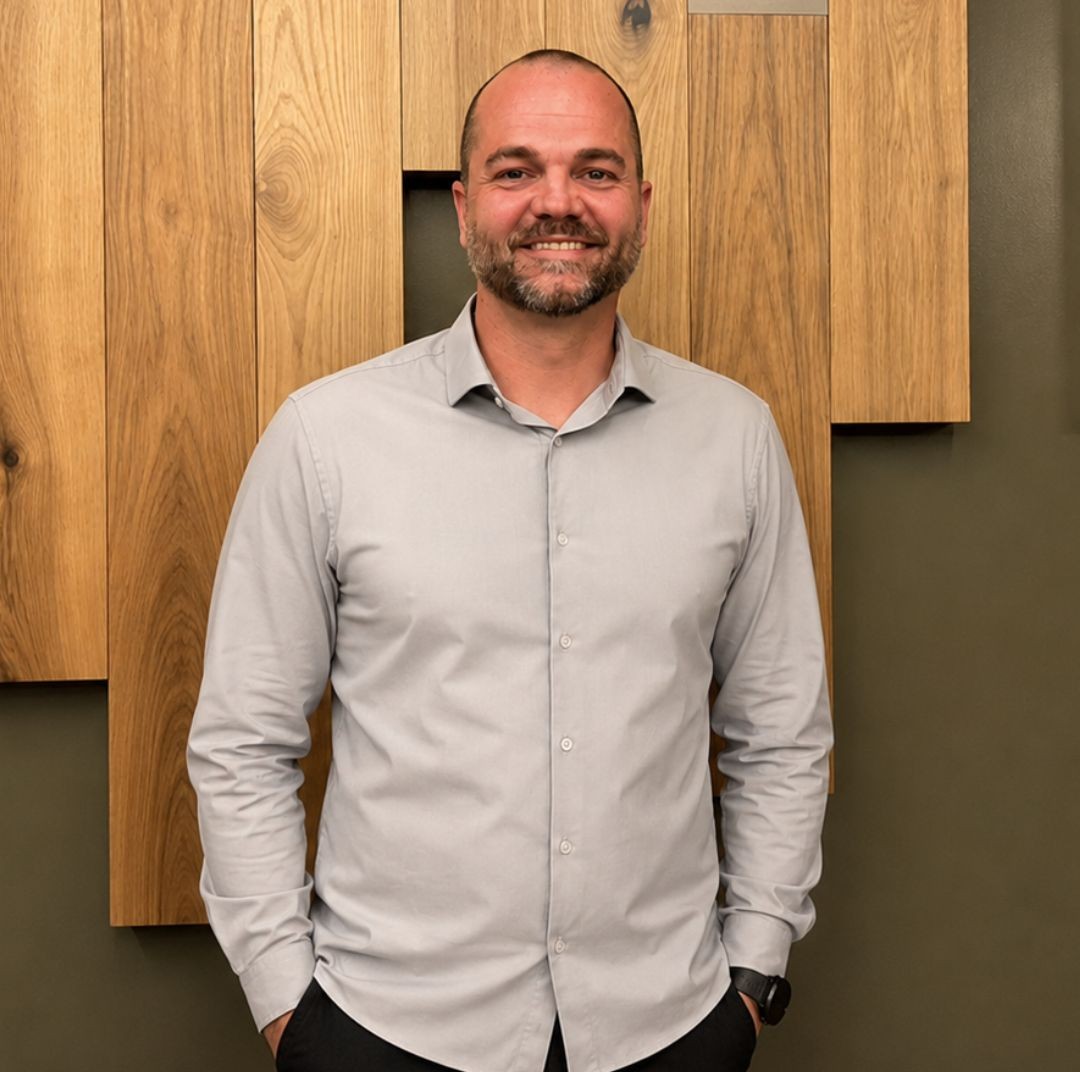
Rich Potter didn't set out to be an entrepreneur. He was trying to protect his income. What followed was a photo booth business, bubble soccer, and an Amazon FBA operation ... all built on the side while he kept his day job for three years.

 Apple Podcasts
 Spotify
 RSS Feed
 Amazon Music
 What would you do if 70% of your income was about to disappear overnight? Rich Potter didn't panic. Instead, he went home, talked to his wife, and started building.
What followed was a photo booth business, a bubble soccer company, and an Amazon FBA operation that Rich reports is now doing $3M a year in sales. All of it built on the side while he kept his day job. One by one, those side hustles replaced his income entirely.
Today Rich walks us through how he did it, what it cost, what he learned, and what he'd tell anyone just starting out today.
In this episode you'll hear:
- How Rich borrowed $10K from his dad to buy his first photo booth, and why it was the wrong one
- What bubble soccer is and how he stumbled into it as a side hustle
- Why the potential of losing a client that represented 70% of his commissions was the wake-up call he needed
- The real reason he sold two of his businesses
- What he learned going to conferences and connecting with others
- His advice for anyone sitting on a side hustle idea right now
Do you like what you're hearing? Consider giving it a caffeinated thumbs up. We'd really appreciate it!
Need a little (and sometimes big) push to start and stay focused to grow your side hustle? Dive into my online Masterclass: How To Turn Your Thoughts Into Wanted Things.
----
Photo Booth, Bubble Soccer & Amazon FBA: How One Guy Built Multiple Side Hustles That Replaced His Income
Rich Potter was a sales rep for an electronic component distributor when he found out his largest account (the one responsible for 60 to 70% of his commissions), had just been purchased by a company in India. Production was likely moving overseas. That income could disappear almost overnight.
Instead of waiting to see what happened, he went home, talked to his wife Shelly, and started Googling. What followed was 13 years of building, growing, and eventually selling multiple businesses ... all while keeping his day job for the first three years.
Here's what he did and what you can take from it.
Start With the Problem, Not the Business Idea
Rich wasn't looking to be an entrepreneur. He was looking to protect his family's income. That distinction kept him focused on outcomes rather than getting caught up in finding the "perfect" idea.
He found a listing on BizBuySell for a local photo booth business, decided he didn't want to buy someone else's operation, but recognized the concept was solid. So he borrowed $10,000 from his dad, built a website, and started showing up at weddings and birthday parties on weekends.
The lesson: you don't need an original idea. You need a viable one.
Your First Version? It Might Be Wrong
That first photo booth? A mistake. They found a manufacturer through a company offering license agreements, bought the machine, and it turned out to be a cheap, poorly made product. It eventually got damaged, they filed a UPS claim, got some money back, and moved on.
The replacement was a tent-style booth that fit five or six people inside. At around $7,000 to $8,000 per setup, it wasn't cheap, but at an average ticket of $500 to $600 per event - and up to $1,000 to $1,200 for their LED cube setup - they paid it off within a few months.
Most people would have let that first bad purchase stop them. Rich put the second photo booth on a credit card while waiting for the UPS refund to come through.
Scale What Works by Duplicating It
One photo booth became two, then eventually eight. The logic was straightforward: if you can charge $500 to $600 per event and pay someone $20 an hour to run it, you still come out well ahead. So provided the demand is there, hire people, buy more booths, and multiply the output.
He got his first employees from the guests at a wedding he shot. A young couple who attended became their first hires. That couple is still friends with Rich and Shelly 13 years later.
Customer acquisition in the early days came from bridal shows and Google Ads. Nothing exotic ... just showing up where potential clients were already looking.
Don't Ignore the Weird Idea
About three or four months into the photo booth business, Shelly came to Rich with a YouTube video of people running around in giant inflatable bubbles playing soccer. Rich's first reaction was that it was too strange. A week later it showed up in his Instagram feed again, and something clicked.
They bought 12 bubbles from a US company called Knockerball, built a website, and Shelly posted about the launch on social media. One of her followers happened to work for a local news channel. Before the business even officially opened, they were featured on TV. The phone started ringing immediately.
At their peak, they had 60 to 70 bubbles and were running five or six events a weekend with multiple employee crews. The sweet spot for events was 6 to 12 bubbles, starting at $300 for six and adding $50 per additional set. The bubbles themselves cost $250 to $300 each and lasted two to three years with regular patching.
The business grew faster than the photo booth business ever did, largely because of that one piece of unexpected media coverage. You can't plan for that, but you can put yourself in a position where it's possible.
The Amazon Business Built at Midnight
About a year into running both the photo booth and bubble soccer businesses, Rich saw a post from a high school friend who was doing $50,000 a month selling on Amazon. He reached out, learned it was Amazon FBA (Fulfilled by Amazon) and started researching.
Rather than the private label route (sourcing or creating your own product and manufacturing it, usually in China), Rich went the wholesale route. He would contact US brands, buy their products in bulk, and represent them on Amazon in a sometimes semi-exclusive relationship. His background as a distributor sales rep gave him both the credibility and the framework to approach brands professionally.
The pitch was simple: they follow your pricing guidelines, they represent your brand well on Amazon, and they want to buy wholesale. A lot of nos. But eventually enough yeses to build a viable business.
He used tools like Keepa and Jungle Scout to evaluate products — estimating monthly sales volume, calculating profit margins after Amazon fees, and assessing how many competing sellers were already on a listing. He built his own Excel model to run the numbers before committing to inventory.
Often this was happening from 8pm to midnight, after the kids went to bed, while he still had a full-time job. After three years of running all three businesses simultaneously, the income replaced his salary and he quit.
Rich reports that today the Amazon business is 12 years old, does $3 million a year in gross revenue, has three local employees and three virtual assistants, and runs almost entirely without him. That's the business that now funds his lifestyle.
Why He Sold Two Businesses
About three years ago, Rich sold the bubble soccer business to his main employee, who had always wanted to buy it. Two and a half years ago, he sold the photo booth business to a former employee and close friend. Both businesses are still running today under their new owners.
The reason he sold them wasn't because they were struggling. It was because his kids were getting older and both businesses demanded weekends. The Amazon business was supporting the family financially on its own, and he didn't want to miss weekends with his kids anymore.
Building a business that someone else wants to buy is actually a sign it was built well. Both buyers were people who already knew the businesses from the inside.
Go to the Conferences
Rich still goes to Amazon seller conferences every year, 12 years in. He attended the Photo Booth Expo before they'd even gone to their first one ... using it to find manufacturers and learn the industry before spending real money.
His advice for anyone starting out in a new space: find the conference, join the communities, talk to the people already doing what you want to do. Most of them will talk to you. They're not protecting their secrets. By and large, people in business want to share what they know and help others figure it out.
And if you reach out to someone and they say no? Move on to the next person. Someone will say yes.
The Bigger Picture
Rich didn't set out to build a portfolio of businesses. He set out to protect his income when it felt threatened. What he ended up with - a photo booth company, a bubble soccer operation, an Amazon FBA business doing millions a year, plus two sold businesses - came from finding the courage to start, being willing to make mistakes, and being willing to pivot based on what life actually required.
No one who started the business before you was an expert. They jumped in and figured it out. That's the model.
Rich Potter is a franchise consultant at Franchise Heroes.
Connect with Rich:
Connect with Joan:
Be on the show!
Tell us about your side hustle success story!
Bubble soccer!


