How to Price Virtual Speaking Gigs vs In-Person Events
Pricing virtual speaking gigs correctly can be a challenge part-time speakers face when trying to build a profitable speaking side hustle.
Unlike traditional in-person engagements that involve significant travel, setup, and physical presence, virtual talks require a different valuation strategy. Knowing how to price your online presentations ensures you protect your time while remaining attractive to event organizers.
Key Takeaways
- Virtual speaking gigs require a distinct pricing model that accounts for lack of travel expenses.
- Shorter attention spans online mean preparation and delivery must be intensely focused.
- You should still charge professional rates even if you are presenting from your home office.
- Technical setup, lighting, and interactive elements add hidden value to your virtual presentation.
- Packaging virtual talks with digital bonuses can increase your overall project fee.
The Economics of Virtual Speaking Gigs
When remote speaking skyrocketed, many event organizers expected a massive discount. After all, you are not stepping on a plane, staying in a hotel, or losing entire days to travel. However, expert speaker managers argue that discounting your virtual talks too heavily devalues your expertise. The value is in the transformation you provide the audience, not the physical distance you traveled to deliver it.
When calculating your virtual speaking fee, you must look past the physical logistics and focus on the intellectual property. Organizers are paying for the years it took you to master your subject matter and the specific framework you share to solve their audience's problems. Whether that framework is delivered from a luxury hotel ballroom or your home standing desk, the underlying value to the listener remains identical.
The Hidden Costs and Prep Time
Does a 45-minute virtual presentation only take 45 minutes of work? Not even close! In reality, virtual keynotes demand rigorous technical preparation. You need reliable high-speed internet, professional lighting, crisp audio, and familiarity with dozens of different webinar platforms.
Furthermore, virtual audiences are notoriously easily distracted. Keeping an online crowd engaged for an hour requires tighter scripting, more dynamic visual aids, high interactive chat management, and of course high energy from the speaker! When you price virtual gigs, you must bake in the preparation time required to make a digital presentation punchy and memorable.
How to Structure Your Virtual Speaking Fees
Setting a flat rate for all virtual engagements can leave money on the table. Instead, structure your pricing based on the scope of the event, the audience size, and the licensing rights.
Base Virtual Keynote Rate
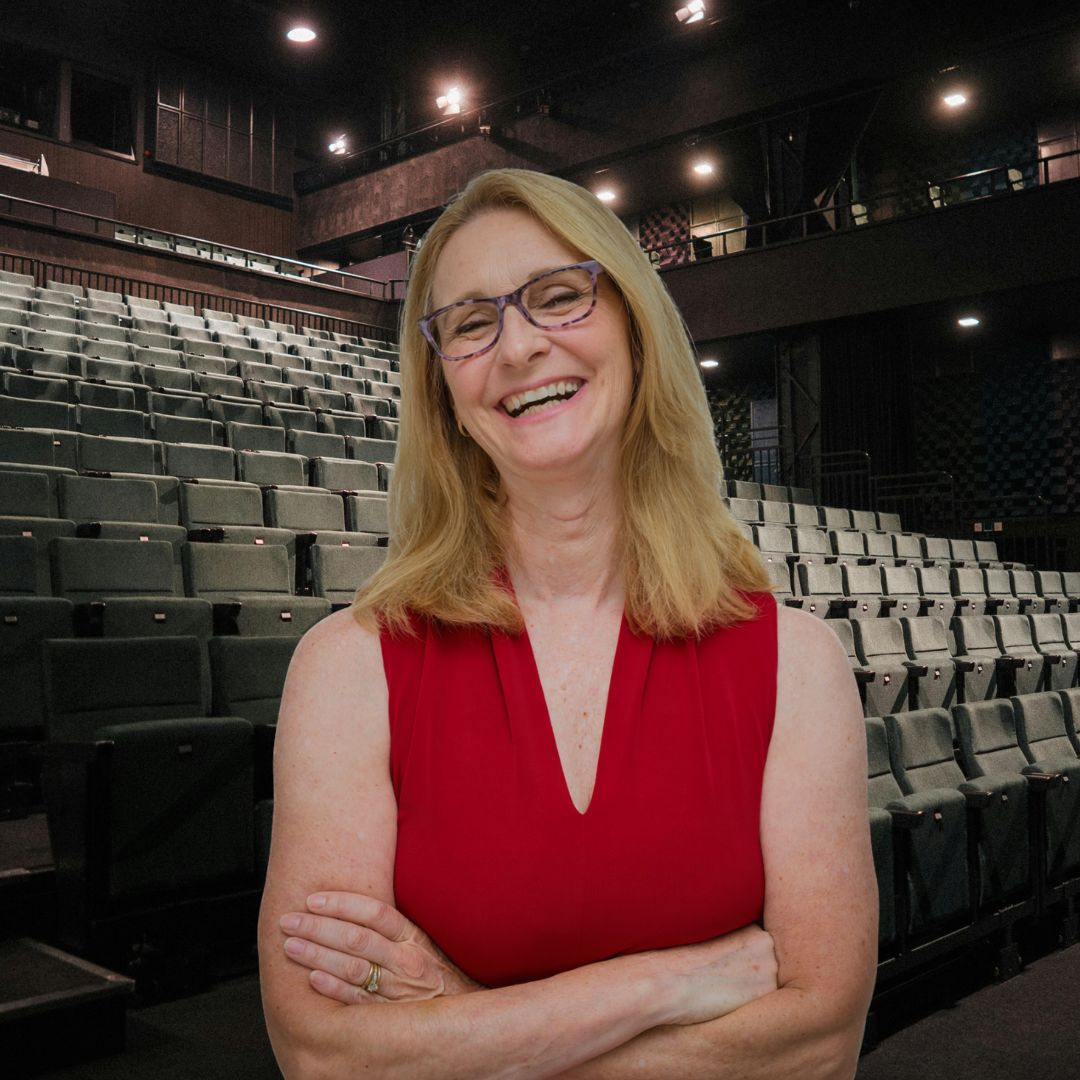
Li Hayes, founder of the speaker management agency Go Leeward, says that a good rule of thumb for a part-time speaker is to set your virtual fee at roughly 50 percent of your in-person fee, assuming travel is not included. If your standard in-person keynote is $2,500, a virtual keynote delivered with the same depth and customization should command approximately $1,250.
Recording and Licensing Fees
One major distinction between in-person and virtual talks is that virtual presentations are almost always recorded. This gives the organization perpetual access to your intellectual property. Always establish clear boundaries regarding whether the session can be recorded, where it can be stored, and how long the client can use it. If an enterprise client wants to use your recorded virtual talk for internal training across thousands of employees for years to come, that requires a hefty licensing fee added on top of your base speaking rate.
A Common Pricing Mistake to Avoid
Navigating the remote speaking landscape means avoiding rookie mistakes that can slow your side hustle growth. The most common error is charging by the hour as if you were a traditional consultant. Speaking is a performance and a high-impact educational experience, not an hourly consulting call.
Tap Into Other Budgets
Often, in addition to speaker fees, there may be another budget you can tap into: an organization’s budget for resources and training materials. For example, in addition to your speaking fee, they may purchase a copy of your book or online course for each attendee.
Conclusion
Mastering the pricing of virtual speaking gigs allows you to scale your side hustle efficiently without burning out on travel. By valuing your expertise rather than your physical location, you can build a lucrative part-time speaking business right from your home office.
To hear more strategies on breaking into the speaking industry, listen to the full episode on Side Hustle Hero. For a deeper dive into crafting a profitable side hustle, be sure to check out the rest of the episodes!
Frequently Asked Questions
Should virtual speaking gigs always cost less than in-person talks?
Not necessarily. But generally, speakers will reduce their fee as they are saving valuable travel time and time away from home.
How do I handle recording rights for a virtual speaking engagement?
You should always specify recording terms in your speaker agreement. You can charge an additional fee if the client intends to use, distribute, or archive the recording for future training or marketing purposes.
What equipment do I need to justify higher virtual speaking fees?
To command professional rates, invest in a dedicated microphone, lighting setup, clean background, good acoustics, and reliable high-speed internet connection to ensure broadcast-quality delivery.
How do I quote a price when an event organizer asks for my virtual speaking rates?
Instead of throwing out a single arbitrary number, ask about their audience size, event format, and whether the session will be recorded. This allows you to tailor your quote to the specific value you are providing.