176: How to Build a Profitable Business From Day One
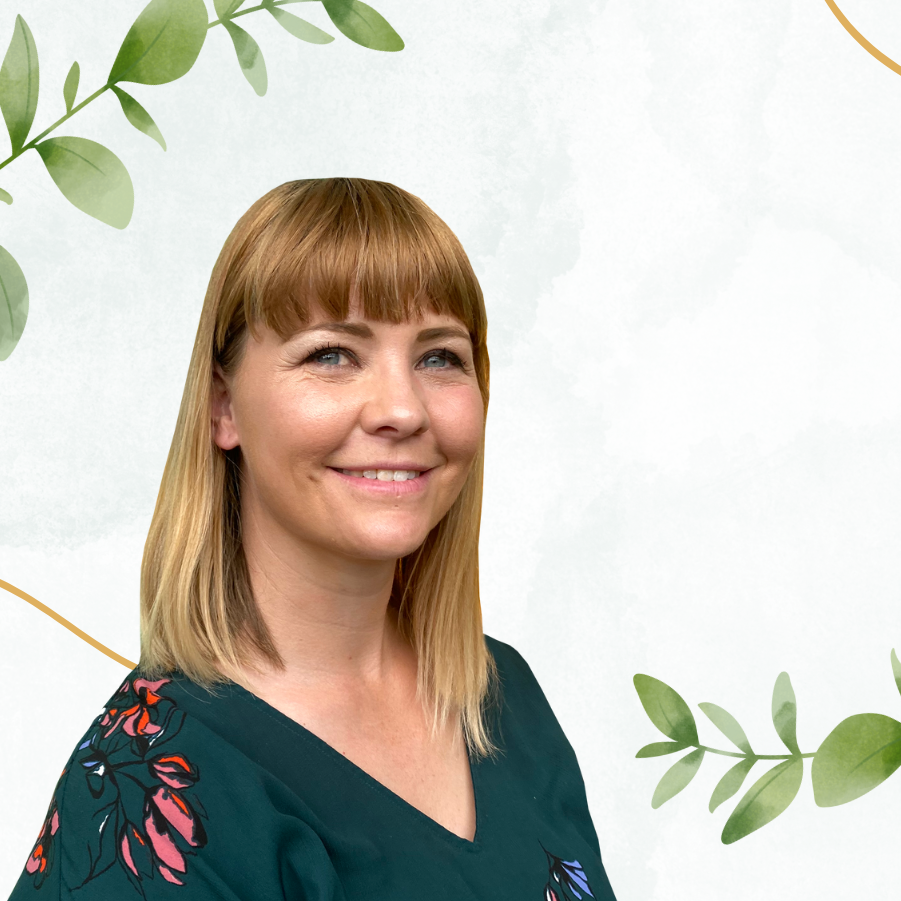
This episode highlights key lessons behind building a profitable 7-figure business, based on a real journey that began with $500, a blender, and a bicycle and grew steadily without investors and stayed profitable along the way.


It's available here on video too!
Building a business that is a profitable side hustle from the start is not about luck. It comes down to the decisions you make early and the discipline to stick with them.
Today I revisit my conversation with Mellisa Mills, founder and CEO of Millsie, formerly known as Spread’Em. Mellisa built her "cashew dip" company that has been profitable from day one and has grown into a multi million dollar business without outside investors.
This episode pulls together the most valuable lessons from our original interview, including:
- How Melissa tested demand before scaling
- Why she prioritized margins and cash flow over rapid expansion
- How reinvesting profits allowed the business to grow steadily and sustainably
- Why slower, more intentional growth can outperform build fast strategies, especially in product based businesses
Since this interview, Spread’Em has been rebranded to Millsie, a change driven by growth, clarity, and an expanding footprint in the United States.
If you are building a business or thinking about starting one and want a grounded, real world perspective on profitability, decision making, and figuring things out as you go, this episode offers practical insights you can apply immediately.
Do you like what you're hearing? Consider giving it a caffeinated thumbs up. We'd really appreciate it!
Need a little (and sometimes big) push to start and stay focused to grow your side hustle? Dive into my online Masterclass: How To Turn Your Thoughts Into Wanted Things.
----
How to Build a Profitable Business From Day One
If you want to build a profitable business, the decisions you make early matter more than most people realize. Profitability is not something you add later (unless you're seriously well funded!) It can be built into the structure of the business from the beginning.
Mellisa Mills’ experience offers a practical framework for doing exactly that. Not because she had special advantages, but because she consistently made choices that allowed the business to support itself at every stage.
Start by Proving Demand, Not Perfecting the Idea
Before you scale anything, you need to know whether people actually want what you are offering. Mellisa did not start with projections or assumptions. She started by selling directly to customers at farmers markets.
This approach allowed her to answer critical questions early:
- Will people buy this product
- Will they come back and buy it again
- Are they willing to pay a price that supports a sustainable business
If you are building a side hustle business, especially one involving physical products, testing demand in real time is one of the fastest ways to reduce risk. Direct customer feedback will always outperform guesswork.
Design for Profitability Without Forcing the Numbers
One of the reasons many businesses struggle is that profitability gets treated as an afterthought. Mellisa’s focus from the start was on creating a product with pure, natural ingredients that people genuinely wanted.
The margins happened to work. And she also makes an important point about product based businesses. In the early stages, your costs are often at their highest because you are buying ingredients and supplies in small quantities. As you scale, many of your core ingredient costs can come down, which creates more room to grow.
This is why early pricing and ingredient decisions matter. If your product works at small scale, it has a much better chance of supporting growth later on.
Reinvest Profits Instead of Chasing Funding
As demand increased, Mellisa reinvested profits back into the business. She did not rely on investors or loans to fuel growth. Each step forward was supported by revenue already coming in.
This approach slowed expansion in some ways, but it preserved control and stability. It also forced discipline. Every expense had to justify itself by contributing to the business, not by looking impressive on paper.
For many entrepreneurs, this is a realistic and powerful alternative to outside funding.
Be Resourceful Without Cutting Corners That Matter
Resourcefulness played a major role in keeping the business profitable. Wherever possible, Mellisa looked for low cost or free solutions and avoided spending money on things that did not directly contribute to revenue.
At the same time, she never compromised on two non negotiables:
- Product quality
- Ingredients
This distinction is critical. Saving money is useful only when it does not undermine the core value of what you are selling. Knowing where not to cut costs is just as important as knowing where to be frugal.
Choose Steady Growth Over Fast Growth
Rather than expanding rapidly or chasing large accounts early, Mellisa focused on a (mostly) manageable number of customers and stores. She invested time in demos, customer relationships, and consistent execution.
This slower approach allowed the business to grow at a pace it could support financially. Year after year, the company remained profitable while expanding its footprint intentionally.
If you are building a business, especially in consumer packaged goods, steady growth often creates far more resilience than aggressive expansion.
Trust That You Will Figure It Out
Mellisa did not start with expertise in farmers markets, food production, or business operations. What carried her forward was the belief that she would figure things out as challenges appeared.
This mindset is practical, not philosophical. It keeps you moving when conditions are imperfect and information is incomplete. Instead of stopping at “I don’t know,” it encourages better questions:
- If I did know the solution, what would it be
- How could this work with the resources I have
- What is the next workable step
Today, the company has grown into a multi million dollar business. Since the original interview, Spread’Em has been rebranded to Millsie, reflecting continued growth, and expansion into the United States.
The lesson is clear. To build a profitable business, you do not need perfect conditions. You need thoughtful decisions, attention to what works, and the willingness to adapt. Profitability is built deliberately, one choice at a time.
----
Connect with Mellisa & Millsie:
Connect with Joan:
Be on the show!
Tell us about your side hustle success story!
